

Where Materials Go Next: Rethinking Waste at Steamboat
What happens after something is used is just as important as how it’s used in the first place.
Across Steamboat and the surrounding community, new systems are taking shape to rethink what gets thrown away, what can be used again and what can find a second life.
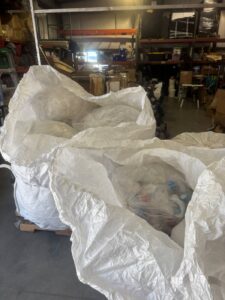
One example is plastic film – the thin, flexible plastic wrap that covers everything from pallets of merchandise arriving at retail stores to the packaging around the online orders that show up on your doorstep. It’s lightweight, flexible, and difficult to manage once it’s no longer needed.
Historically, plastic film has been landfilled because there are no recycling options in rural communities like the Yampa Valley.
Steamboat’s sustainability team, led by Ben Cavarra, aimed to change that reality.
“We recognized that an initiative of this scale would require partnership and collaboration,” said Ben.
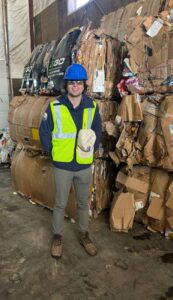
Steamboat Ski Corp. partnered with the City of Steamboat Springs and the Western Resilience Center to design a program to collect plastic film, transport it to Driven Plastics (a processing facility), and upcycle it into an asphalt additive.
Facilities like Driven Plastics are able to process hard-to-recycle materials like plastic film using methods not widely available in rural communities (due to low volumes which don’t make recycling economical), making reuse possible where it otherwise wouldn’t be.
Upcycling plastic film into an asphalt additive does more than just recycle it. It improves rutting and cracking resistance in roads and can extend road life cycles by up to 1.2 to 1.5 times, while reducing the need for virgin materials.
This plastic film diversion program expands beyond Steamboat Ski Resort; today it includes 11 active participants beyond the resort, from retailers to contractors across the region.
Since summer 2025, Steamboat and local partners have diverted:
35 supersacks of plastic film
(~2,240 square feet of uncompressed material)
Together, they’re building a more connected system for material reuse.
Turning Plastic Film to Asphalt is Just Part of the Doing Good Story
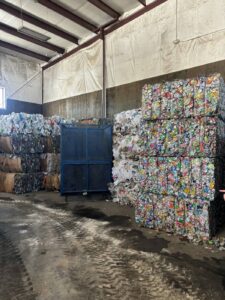
Getting plastic film from the Yampa Valley to Driven Plastic’s facilities 280 miles away in Pueblo, Colorado sustainability requires coordination and innovation.
Steamboat partnered with the Circular Transportation Network who enables organizations to move materials using existing freight routes in reverse.
Instead of trucks returning empty after delivering goods to mountain towns, they pick up collected materials in Steamboat and transport them back to the Front Range, where more advanced recycling infrastructure exists.
This simple shift turns empty space into opportunity.
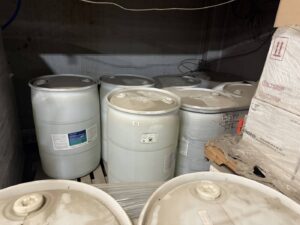
Across teams, there’s a growing focus on thinking through the full lifecycle of materials, from how they’re designed and distributed to what happens after they’re no longer in use.
“Diverting waste feels good, but watching a community come together to solve big challenges through collaboration and shared effort is what gives me real hope,” reflects Ben on the power of community partnership.
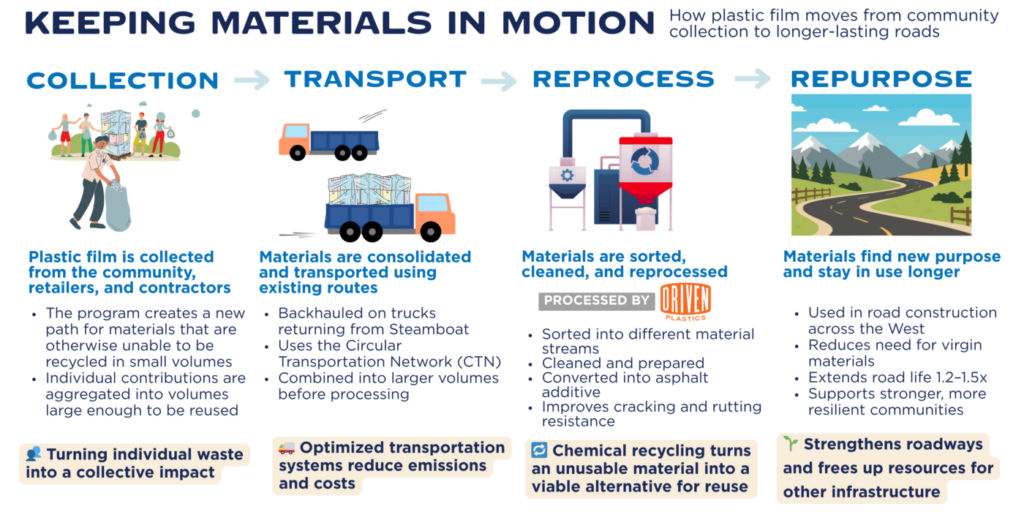
How Plastic Film Moves Through the System
Field Note: Why Flexible Plastics Are Hard to Recycle
Unlike rigid plastics, flexible films can jam recycling equipment and are difficult to sort by material type.
Many are made of layered materials, are often contaminated with food residue, and require specialized chemical recycling that most communities don’t have access to.
Without strong end markets, most systems aren’t built to handle them.
A System Still Taking Shape
There isn’t one single solution to material waste.
Some materials can be recycled.
Some can be repurposed.
Some require entirely new approaches.
What’s changing is the mindset.
Instead of thinking about disposal as the end of the process, there’s a growing effort to design systems for circularity where materials stay in motion for as long as possible.